 419-867-8570
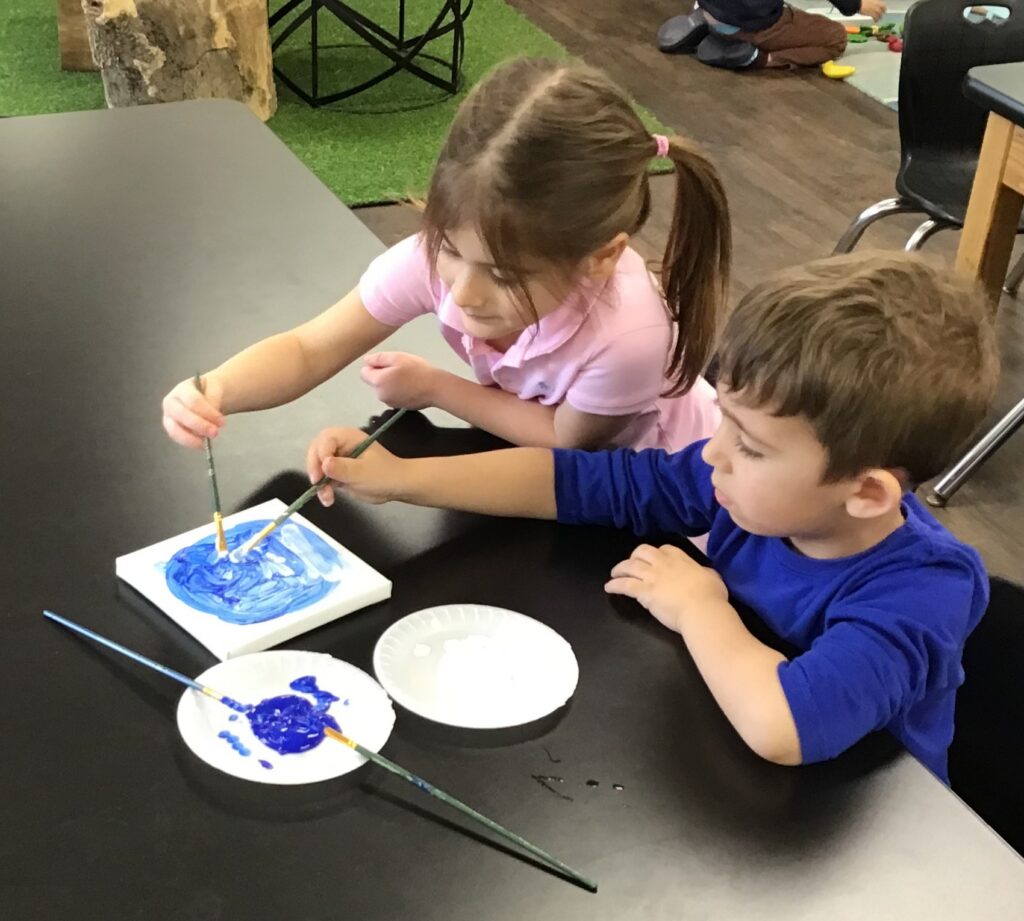
Some of life’s most important lessons are learned through play! This is especially true when it comes to kindness, compassion and understanding how others feel. In our Reggio Emilia-inspired classrooms, empathy isn’t a scheduled subject. It’s something children experience naturally every day, through friendships, imagination and caring guidance from trusted teachers.
Why does empathy matter?
Empathy helps children build stronger friendships. It helps them resolve conflicts peacefully. It prepares them for future classrooms, careers and communities. But more than that, it helps our little ones become caring, Christ-like people who treat others with love and respect.
Empathy, like any skill, grows through experience. Play gives children a safe, joyful space to explore emotions, practice communication and work through problems together. Whether they’re acting out stories, building together or sharing materials, play lets children step into each other’s shoes and learn what it means to care.
How does classroom time teach children empathy?
Empathy starts with recognizing emotions, both in ourselves and in others. In our classrooms, you’ll often hear teachers naming and validating feelings. This is an important first step in building emotional regulation skills for kids.
For example, a teacher working closely with her students each day can be well-equipped to notice a change in personality. If he or she spots that a child is upset at recess or during an activity, they may say, “It looks like you’re feeling frustrated. Do you want to tell your friend what happened?” This kind of gentle coaching helps children tune into their own emotions and those of the people around them.
At our Toledo early education centers, we also utilize books and other storytelling techniques to discuss big feelings in a safe and age-appropriate manner. When a story character is sad or scared, we pause to reflect:
- “How do you think that character feels?”
- “What could you do to help if you were there?”
- “Have you ever felt that way before?”
These small moments help children connect their own feelings to the experiences of others, fostering a deeper understanding of emotions and encouraging caring behavior in real life.
Your child’s classroom is their community.
Children learn best when they feel safe, loved and part of something bigger than themselves. In Reggio Emilia-inspired environments, relationships are at the heart of everything we do. That’s why our classrooms are intentionally designed to foster connections among students, teachers and families alike.
You’ll often see our students:
- Working together on fun group projects
- Collaborating to build towers or solve puzzles together
- Taking turns playing and exploring outside
- Sharing discoveries and ideas
Beyond lessons and discoveries, play can be a language of learning. When children build a hospital for stuffed animals, play “teacher” or act out a story together, they’re practicing how to build and navigate relationships while seeing the world through someone else’s eyes.
These shared experiences foster a classroom culture of kindness, respect and community, where empathy naturally grows through everyday moments.
How do you teach empathy at home?
You play a powerful role in your child’s social-emotional development. Here are a few simple ways to nurture empathy at home:
- Name emotions out loud: “I’m sorry it’s raining. It looks like you’re frustrated because you can’t go outside.”
- Encourage perspective-taking: “How do you think your sister felt when you took her toy?”
- Model kindness: Let your child see you comforting others, saying thank you or helping a neighbor.
- Praise caring behavior: “It was so kind of you to share your snack with your friend!”
Empathy takes time, repetition and love to develop, but every small moment matters. Together, we can help raise a generation of compassionate, thoughtful changemakers who are ready to make a difference.
Discover the CDC Difference
For more than 40 years, Children’s Discovery Center has helped guide and expand the minds of Toledo’s youngest explorers. Our dedicated staff nurtures children into becoming lifelong learners by providing an innovative environment that promotes self-led discovery. Contact us today to learn more about our Reggio Emilia curriculum, register your child and tour our facilities.
