 419-867-8570
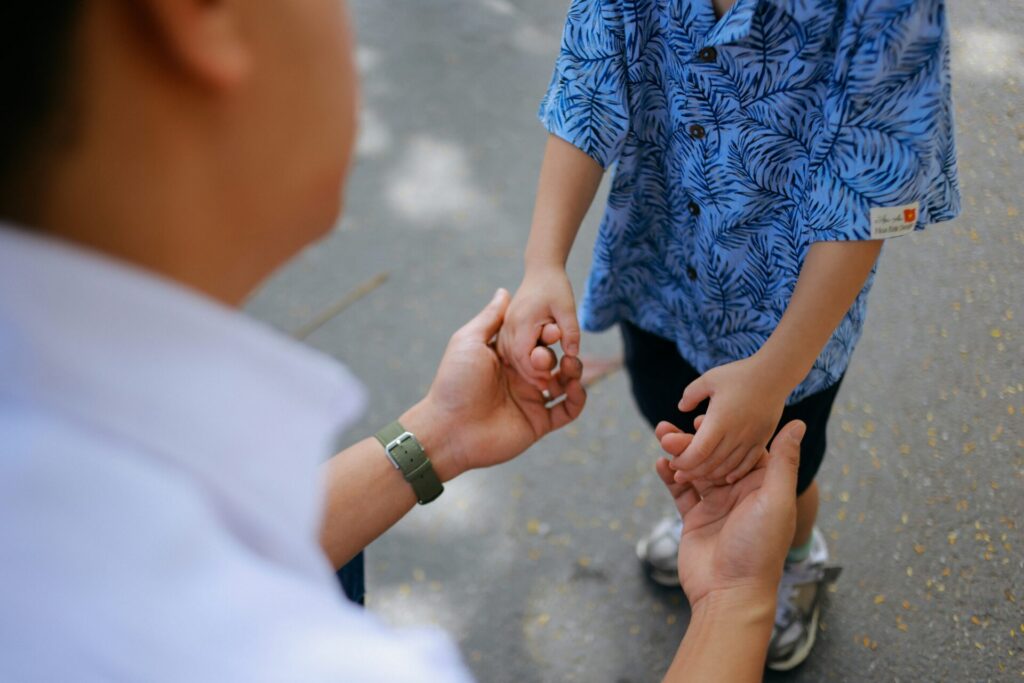
When carried out thoughtfully and with love, discipline is about providing guidance and showing our children that we care and are truly paying attention. At Children’s Discovery Center, we believe that every child deserves to feel safe, supported and capable of making good choices. Positive discipline is one way we can guide them on this journey with love and intention to help them grow into kind and confident individuals.
What is positive discipline?
Positive discipline is all about teaching, not punishing. It’s a compassionate, developmentally appropriate approach that helps children understand their feelings and actions in a safe and supportive environment.
Instead of time-outs or threats, positive discipline methods involve gentle redirection, natural and logical consequences, collaborative problem-solving, open communication, encouragement and empathy. These methods help children feel safe and seen, so they can make better choices next time.
How do you teach emotional regulation through positive discipline?
Big feelings are all a part of growing up, and, as children grow, they need trusted adults who will guide (not shame) them through these important learning moments. Research shows the impact of positive discipline in providing children with the tools they need to:
- Build emotional regulation skills
- Strengthen relationships with others
- Practice problem-solving and decision-making
- Develop a strong sense of self-worth
Discipline, when rooted in respect and love, becomes a daily opportunity for growth.
After all, emotional regulation isn’t something that just “clicks.” It’s a skill learned slowly, through supported experiences. In our CDC classrooms, teachers model this learning every day.
- We name the feeling.
Children often act out because they don’t have words for what they’re experiencing. Our teachers gently name emotions out loud:
“It looks like you’re feeling disappointed.”
“Are you feeling overwhelmed by all the noise?”
Giving children the language for emotions is the first step toward self-awareness and self-control.
- We validate feelings, then redirect.
Big emotions are part of growing up—and learning how to manage them takes time. That’s why we never ignore or dismiss outbursts. Instead, we meet children where they are: with empathy, patience and calm redirection.
For example, instead of saying, “Stop crying,” we might say, “I can see you’re upset. Let’s talk about what happened and figure out what we can do next.”
This kind of response teaches children that all feelings are okay. It’s how we express and respond to them that helps us grow.
- We offer natural consequences.
Positive discipline is rooted in connection and understanding, not punishment.
Instead of placing blame, we focus on helping children learn from their actions in meaningful ways.
- If a child dumps toys, they’re guided to help clean them up.
- If frustration leads to knocking over a block tower, we rebuild together and talk through what happened.
These moments aren’t about consequences for the sake of consequences. They’re used as gentle opportunities to reflect, problem-solve and grow.
Try these gentle discipline tips at home.
Even tough moments are full of grace. When we model patience, empathy and calm correction, we’re teaching our children not just how to behave but how to care. These gentle discipline techniques can help you continue your child’s growth journey beyond their CDC classroom.
Stay calm and connected.
When emotions run high, children need your steady presence. Get down to their eye level, offer a soft tone and connect with a gentle touch or reassuring words. This helps your child feel safe and seen, even in moments of frustration.
Create consistent boundaries.
Young children thrive on routine. Clear, predictable expectations help them understand what’s expected and feel secure. It’s okay to repeat reminders often. Consistency is how they learn.
Celebrate kindness.
Make a big deal out of little moments! When your child shares a toy or helps clean up, call it out: “That was so thoughtful of you to help your sister!” Positive reinforcement builds confidence and encourages repeat behavior.
Teach, don’t shame.
Mistakes are learning opportunities. Instead of saying “That was bad,” try “Let’s figure out a better way to handle that next time.” This shifts the focus from punishment to problem-solving and helps your child grow emotionally.
Use calming tools.
Designate a cozy, quiet space in your home where your child can take a break to breathe, rest or reset. Fill it with soft pillows, calming books or sensory items like stuffed animals. This teaches them how to self-regulate in a safe, supported way.
Learn more about how to help your child navigate big feelings in our blog, “9 Tips for Teaching Positive Emotional Regulation Skills.”
Discover the CDC Difference
For more than 40 years, Children’s Discovery Center has helped guide and expand the minds of Toledo’s youngest explorers. Our nurturing staff helps children become lifelong learners by providing an innovative environment that promotes self-led discovery. Contact us today to learn more about our Reggio Emilia curriculum, register your child and tour our facilities.
