 419-867-8570
| Key Takeaways Start preparing 2–3 weeks before preschool begins by practicing your child’s morning routine, bedtime and drop-off schedule. Talk positively about preschool using specific examples of what they’ll experience, like storytime, art projects and making new friends. Create a consistent goodbye routine to help your child feel secure and build confidence during drop-off. Remember that the transition is emotional for parents, too. With patience, consistency and support from your child’s teachers, most children adjust within the first few weeks. |
Preparing your child for preschool starts with routines and honest conversations, and, of course, practice and patience. As a leading Toledo early childhood educator, our trained staff is well-prepared to help your family navigate this exciting transition.
Your First Day of Preschool Checklist
At Children’s Discovery Center, we’ve welcomed thousands of Toledo-area families through this milestone, and one thing we’ve noticed is that many parents often don’t expect the change to be just as emotional for them, too. Of course, this is normal. The first day of preschool is a big step for your child and for you, and preparation makes a difference in how your family experiences this change.
This checklist is here to help you both feel ready.
- Begin new routines before the first day.
One of the most effective things you can do is start the preschool schedule early. Predictable routines help young children feel secure, and this security serves as a foundation for learning.
About two to three weeks before school starts:
- Wake your child up at the same time they will need to for school
- Practice getting dressed and brushing teeth
- Eat breakfast together
- Pack your child’s backpack (and let them help!)
- Leave the house at the same time each day
If you’ll be dropping your child off, practice driving the route to preschool each day, too.
These little steps may not seem like much, but together, they create a structure that will help your little ease into this new chapter. When children know what to expect, they feel safer. And when they feel safe, they’re ready to explore.
- Talk About What Preschool Will Look Like
Children do better with transitions when they’ve had a chance to imagine what’s coming. In the days before school, talk about what school days will look like. Prepare them for the fun and discovery that awaits, including interesting lessons, tasty snacks, outside playtime with new friends, fun art projects and exploration.
Remember, keep your conversations positive and specific. Instead of “You’re going to love it!” try “You’ll get to paint and build things and play outside.” Concrete details help little minds picture the experience.
If you are attending one of Children’s Discovery Center’s Toledo-area preschools, we encourage you to explore our Discovery Rooms and explore our featured projects for a preview of the fun to come
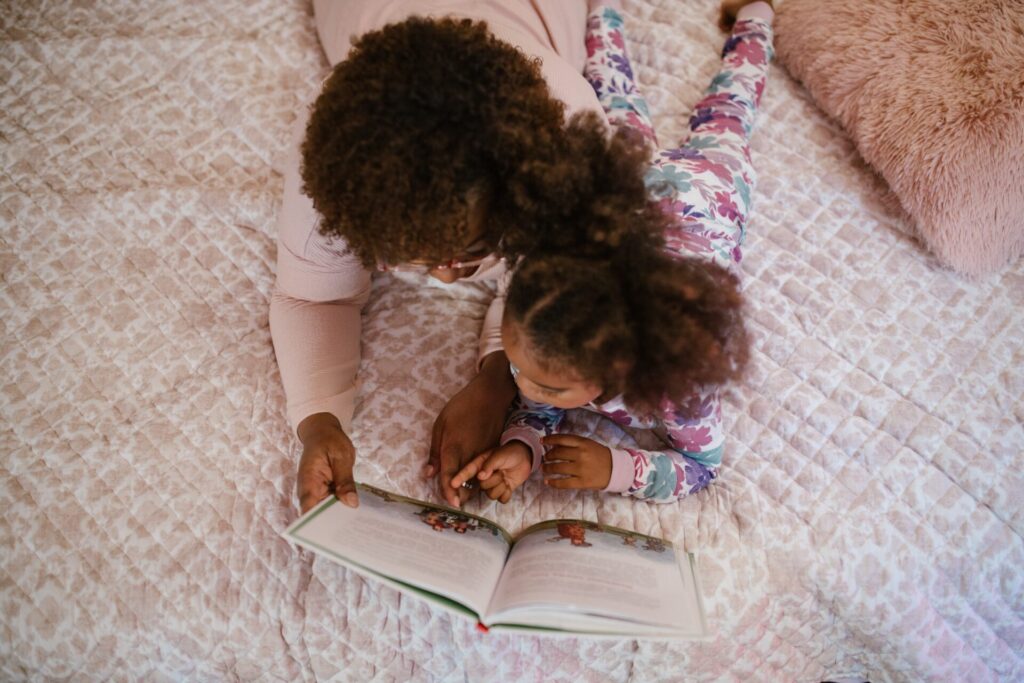
Storytime can also help you and your child navigate the big feelings that often accompany new experiences! Books that help with this transition include:
- The Kissing Hand by Audrey Penn
- Llama Llama Misses Mama by Anna Dewdney
- Wemberly Worried by Kevin Henkes
Acknowledge whatever feelings come up without rushing to fix them. “It makes sense to feel nervous. New things can feel that way, and I know you’re brave.”
For more helpful tips, read our blog: “How to Support Children During Big Transitions”
- Visit the Classroom Early If You Can
If your school offers a meet-the-teacher event or an open house, go. New environments can feel intimidating, no matter our age, and seeing the space, meeting the teacher and knowing where the bathroom is can matter enormously to a three- or four-year-old.
At our Toledo-area CDC locations, we encourage families to visit before enrollment begins so children can get a feel for the environment. To schedule your tour, please reach out to your local preschool or contact our team here.
- Pack Thoughtfully
The right lunchbox won’t make or break the first day, but a familiar snack and an easy-to-open container will make your child feel more comfortable at snack time, which is often one of the moments they miss home most.
Consider the following for your first day of preschool packing list:
- Backpack (big enough for a folder, water bottle and lunch)
- Labeled water bottle (spill-proof lid)
- Lunch and snacks (familiar favorites)
- Change of clothes (labeled with their name)
- Comfort item, if allowed (a small stuffed animal or family photo in their backpack can help)
- Any medications or allergy information your school needs on file
Labeling items, like backpacks, lunchboxes and jackets, can help ensure they aren’t misplaced.
- Create a Meaningful Goodbye Ritual
Goodbyes matter at any age, and a rushed or prolonged farewell can increase anxiety for everyone. Instead, focus on creating a brief, warm, consistent ritual that gives your child something to count on.
For example, it could be as simple as a hug, a special phrase (“Have a great day! I’ll see you after snack time!”), and one wave at the door.
Children take emotional cues from their caregivers during separations, so when you leave calmly and with confidence, your child learns that this place is safe and you’ll always come back. Lingering, even with the best intentions, can often make the goodbye harder for everyone.
Want to start a new goodbye ritual? Try these ideas:
- A special handshake
- Blowing three kisses
- A hug and “I’ll see you at (pick-up time)!”
- Playing a special song on the drive to school
Adjusting to the routine may take a little while, but consistency will be key to building your child’s confidence.
Prepare To Love Learning at CDC
Treat your child to a lifetime of growth and learning! From infant care and preschool to kindergarten Discovery School, our early childhood educators are ready to help your family succeed. Contact us today to schedule a visit to one of our five Toledo-area childcare centers.
Frequently Asked Questions
How do I prepare my child for preschool?
Start two to three weeks before class begins by practicing the school-day schedule: consistent wake times, morning routines and regular mealtimes. Talk about what preschool will look like using specific, positive details. Visit the classroom in advance if possible, and read books about starting school together. A predictable routine and open conversations are the most effective tools.
What should I pack for the first day of preschool?
Pack a labeled backpack with a spill-proof water bottle, a familiar lunch and snack, a labeled change of clothes, any required medications or allergy forms and a small comfort item like a stuffed animal or family photo (if allowed). Label everything with your child’s name.
How do I handle separation anxiety at preschool drop-off?
Create a short, consistent goodbye ritual, such as a hug, a special phrase or a handshake, and then leave confidently. Children take emotional cues from caregivers, so a calm, brief departure signals that the environment is safe. Most children settle within minutes of a parent leaving, even if they seem upset at the door. If drop-off distress continues beyond three to four weeks, speak with your child’s teacher.
What are simple first-day-of-preschool tips I should know?
Keep the morning calm and unhurried. Practice your routine several times before the real thing. Pack a familiar snack. Have a goodbye plan and stick to it. In the first few weeks, expect some big feelings and sleepiness after school; both are normal. Consistent routines at home are your best support tool during this transition.